
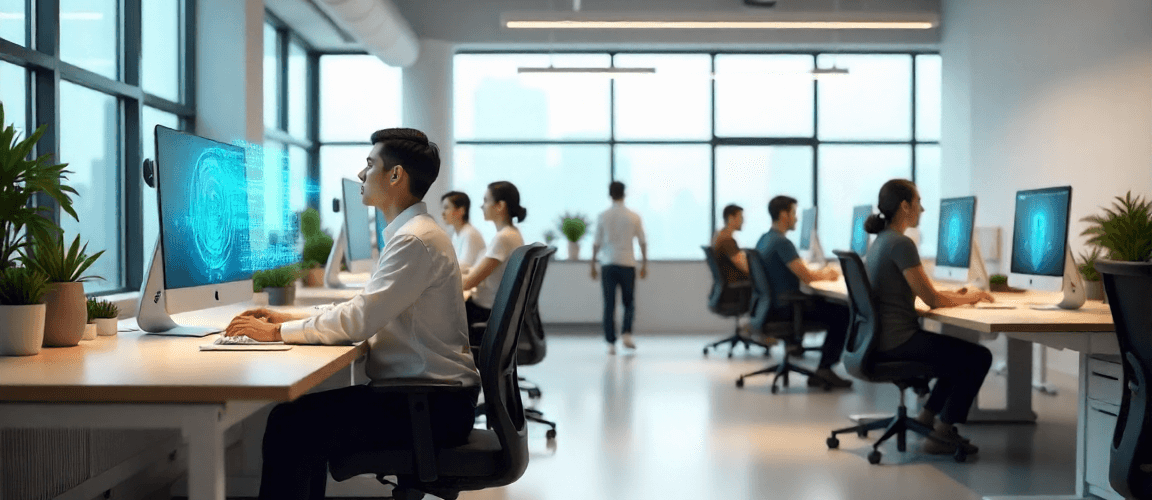
These 5 Posture Corrector Picks Will Straighten You Out (2025): A Digital Transformation for Workplace Wellness
Key Takeaways
- Poor posture is a silent epidemic impacting employee health, productivity, and business costs across industries.
- Technology, including smart wearables, intelligent furniture, and AI-powered software, is rapidly transforming traditional posture correction methods into proactive solutions.
- Artificial Intelligence and Machine Learning offer personalized insights, predictive analytics, and adaptive training, moving beyond generic advice to tailored interventions.
- The most effective strategies in 2025 integrate tech solutions with holistic mind-body practices, such as yoga and mindfulness, for sustainable results.
- Investing in modern posture correction technologies and wellness initiatives is a strategic business decision that boosts productivity, reduces healthcare costs, and enhances employee retention.
Table of Contents
- The Silent Epidemic: Understanding the Business Impact of Poor Posture
- Technology’s Role in Straightening Up: The 2025 Landscape
- 1. Wearable Wonders: Smart Posture Correctors with Haptic Feedback
- 2. Intelligent Ergonomics: Smart Chairs, Desks, and Workspace Sensors
- 3. Software-Based Solutions: AI-Powered Desktop Apps and Virtual Coaches
- 4. The Power of AI & Machine Learning: Personalized Insights and Predictive Analytics
- 5. Holistic Approaches: Integrating Tech with Mind-Body Practices
- Business Implications: Why Posture Matters for the Bottom Line
- Navigating the Landscape: A Comparison of Posture Correction Solutions
- Expert Takes: Voices from the Forefront of Digital Health and Workplace Wellness
- Cybersecurity and Data Privacy in Digital Health
- The Road Ahead: Future of Posture Correction and Workplace Wellness
- FAQ Section
- Conclusion: Straightening Up for a Smarter, Healthier Future
In an era defined by screens, keyboards, and remote work, the silent epidemic of poor posture has become a pervasive challenge for individuals and businesses alike. As we hurtle towards 2025, the demand for effective solutions is surging, and technology is rising to the occasion. Our focus today, inspired by insights into the latest innovations, centers on These 5 Posture Corrector Picks Will Straighten You Out (2025), exploring how cutting-edge gadgets, AI-driven insights, and a holistic approach are redefining the path to better alignment and, crucially, enhanced business performance.
The modern professional spends countless hours hunched over desks, squinting at monitors, and scrolling through phones. This lifestyle, while facilitating unprecedented productivity, often comes at the steep cost of musculoskeletal health. Beyond personal discomfort, poor posture translates into tangible business challenges: reduced employee productivity, increased healthcare costs, higher absenteeism rates, and a general decline in workplace well-being. Recognizing this, forward-thinking enterprises are no longer viewing posture correction as a mere personal health hack but as a strategic imperative for digital transformation and operational optimization.
The Silent Epidemic: Understanding the Business Impact of Poor Posture
Before diving into the technological remedies, it’s vital to grasp the profound impact of poor posture on the modern workforce. Chronic slouching, forward head posture, and rounded shoulders aren’t just cosmetic issues; they lead to a cascade of physical ailments including back pain, neck strain, headaches, repetitive strain injuries (RSIs), and even respiratory problems.
For businesses, these individual health issues aggregate into significant operational inefficiencies. Employees suffering from discomfort are less focused, less energetic, and less productive. Extended periods of pain can lead to increased sick days, costly ergonomic interventions, and higher insurance premiums. Furthermore, in a competitive talent landscape, companies that prioritize employee well-being, including proactive solutions for ergonomic health, are more likely to attract and retain top talent. The financial implications are staggering: estimates suggest that back pain alone costs billions annually in lost productivity and healthcare expenses globally. Addressing this, therefore, isn’t just an act of compassion; it’s a shrewd business decision that drives financial innovation and operational excellence.
Technology’s Role in Straightening Up: The 2025 Landscape
The landscape of posture correction has moved far beyond traditional braces and reminder notes. Thanks to advancements in AI, sensor technology, wearable devices, and cloud computing, we are now entering an era of intelligent, personalized, and proactive posture management. The “5 picks” in our focus for 2025 aren’t just products; they represent categories of sophisticated solutions designed to integrate seamlessly into our digital lives and professional environments.
1. Wearable Wonders: Smart Posture Correctors with Haptic Feedback
Leading the charge are smart wearable devices that discreetly monitor posture throughout the day. These compact gadgets, often worn on the upper back or collarbone, utilize accelerometers, gyroscopes, and magnetometers to detect when the user deviates from an ideal posture. When slouching is detected, they provide gentle haptic feedback – a subtle vibration – to remind the wearer to adjust.
These devices often connect via Bluetooth to smartphone apps, providing real-time data, progress tracking, and personalized coaching. The companion apps might offer analytics on “slouching time,” daily posture scores, and even gamified challenges to encourage consistent use. For businesses, implementing such wearables can be part of a comprehensive corporate wellness program, empowering employees with self-awareness and immediate feedback, whether they are in the office or working remotely. The data aggregated (anonymously, of course) can also provide insights into the general ergonomic health of the workforce, informing broader workplace adjustments.
2. Intelligent Ergonomics: Smart Chairs, Desks, and Workspace Sensors
The next frontier involves smart furniture and ambient sensors integrated into the workspace itself. Imagine an office chair equipped with pressure sensors that detect uneven weight distribution or prolonged static sitting, prompting gentle adjustments or suggesting movement breaks. Similarly, smart standing desks can integrate with personal calendars or productivity apps, reminding users to alternate between sitting and standing, and even adjusting to pre-set ergonomic heights tailored to the individual.
Beyond furniture, ambient sensors, potentially powered by computer vision and AI (with robust privacy safeguards), could analyze an employee’s posture at their desk without direct physical contact. Such systems could offer suggestions for screen height, keyboard placement, or even suggest specific stretches based on observed postural patterns. This moves beyond individual gadgets to creating an intelligently responsive work environment that passively supports good posture and overall well-being. This is a prime example of digital transformation enhancing day-to-day operations and employee comfort.
3. Software-Based Solutions: AI-Powered Desktop Apps and Virtual Coaches
Not all posture correctors need to be physical devices. A growing number of software solutions leverage AI and computer vision (using existing webcams) to monitor posture while working at a computer. These applications run in the background, offering unobtrusive reminders or visual cues when posture begins to deteriorate. Some even integrate with productivity suites, pausing notifications or dimming the screen until a correct posture is resumed.
Beyond simple monitoring, AI-powered virtual coaches are emerging. These advanced apps can analyze individual posture habits over time, identify specific weaknesses, and recommend personalized exercise routines, stretches, or ergonomic adjustments. They can track progress, set goals, and provide encouragement, effectively bringing a personal physical therapist into the digital realm. For remote teams, these software solutions are particularly valuable, offering a scalable and accessible way to support employee health without requiring physical hardware deployment.
4. The Power of AI & Machine Learning: Personalized Insights and Predictive Analytics
The common thread weaving through all these solutions is the increasing sophistication of Artificial Intelligence and Machine Learning. AI algorithms are crucial for:
- Personalization: Moving beyond generic advice, AI can learn an individual’s unique postural patterns, identify their specific weaknesses, and offer hyper-personalized interventions. This could mean different haptic feedback patterns, customized exercise suggestions, or tailored ergonomic adjustments.
- Predictive Analytics: By analyzing long-term data, AI can potentially predict future musculoskeletal issues before they become chronic problems. For example, consistent slouching in a particular direction might trigger an alert recommending a specific strength exercise or a consultation with an ergonomic specialist. This proactive approach significantly reduces long-term healthcare costs and minimizes disruptions to productivity.
- Adaptive Training: AI can adapt its coaching based on user compliance and progress, continually refining its recommendations to maximize effectiveness. This iterative learning process ensures that the posture correction journey is dynamic and responsive to individual needs.
5. Holistic Approaches: Integrating Tech with Mind-Body Practices
While technology offers powerful tools, the most effective posture correction strategies in 2025 will involve a holistic approach that integrates technology with established mind-body practices. The original RSS summary even mentioned “some yoga advice,” highlighting the enduring value of physical awareness. Modern solutions recognize this, often incorporating guided stretches, mindfulness exercises, or links to online yoga and pilates classes within their apps.
For businesses, this means encouraging employees to combine wearable tech feedback with regular physical activity, offering subsidized access to fitness programs, or incorporating short stretch breaks into the workday culture. The synergy between technological prompts and conscious physical practice creates a more sustainable path to improved posture and overall well-being.
Business Implications: Why Posture Matters for the Bottom Line
Investing in posture correction technology and wellness initiatives isn’t just an expense; it’s an investment with a significant return.
- Productivity & Efficiency Gains: Employees who are free from pain and discomfort are more focused, alert, and capable of sustained high-quality work. Good posture improves breathing and blood circulation, leading to better cognitive function and reduced fatigue. This directly translates to enhanced operational efficiency.
- Reduced Healthcare Costs & Absenteeism: Proactive posture management can significantly reduce the incidence of musculoskeletal disorders, lowering the burden of healthcare costs on both employees and the company. Fewer sick days mean less disruption and higher overall workforce availability.
- Employee Well-being & Retention: In a world where mental and physical health are paramount, companies that demonstrate a genuine commitment to employee well-being foster loyalty and job satisfaction. Offering advanced ergonomic and posture support tools can be a key differentiator in attracting and retaining top talent, contributing to a robust digital transformation strategy for human resources.
- Digital Transformation & Proactive Health Management: Integrating posture-correcting technologies into workplace wellness programs is a prime example of digital transformation in action. It shifts the paradigm from reactive treatment to proactive prevention, using data and smart tools to create a healthier, more resilient workforce. This aligns perfectly with broader trends in smart workplaces and automated health monitoring.
Navigating the Landscape: A Comparison of Posture Correction Solutions
Choosing the right approach depends on individual needs, work environment, and budget. Here’s a comparison of common solutions emerging in 2025:
| Feature | Smart Wearable Posture Correctors | Smart Ergonomic Furniture (Chairs/Desks) | Software-Based Posture Monitors (AI/Webcam) | Traditional Braces/Support | Yoga/Pilates/Physical Therapy |
|---|---|---|---|---|---|
| Pros | – Real-time haptic feedback – Data tracking & analytics – Portable & discreet – Personalized coaching via app |
– Passive, continuous support – Integrated into workspace – Promotes dynamic sitting/standing – High comfort for long periods |
– No extra hardware needed (uses existing webcam) – Cost-effective – Software-based reminders – Can integrate with productivity apps |
– Immediate physical support – Good for acute issues – Relatively low initial cost – Easy to understand function |
– Holistic body awareness – Strengthens core muscles – Improves flexibility & balance – Long-term sustainable results |
| Cons | – Requires consistent wearing & charging – Can be forgotten – May feel intrusive initially – Data privacy concerns |
– High initial investment – Not portable – May require professional setup – Limited to fixed workspace |
– Requires camera access & software running – May not detect all posture nuances – Can be distracting with pop-ups – Privacy concerns with webcam use |
– Can weaken muscles over time – Not a long-term solution – Can be uncomfortable – Doesn’t teach active correction |
– Requires consistent time & effort – Results are not immediate – Can be expensive (classes/sessions) – Requires self-discipline |
| Use Case Suitability | – Individuals seeking active, real-time feedback – Remote workers needing self-monitoring – Corporate wellness programs |
– Office environments investing in employee comfort – Individuals spending long hours at a fixed desk – Hybrid workplaces with dedicated stations |
– Remote workers with existing tech setup – Cost-conscious individuals – Teams looking for scalable software solutions – Those needing gentle digital reminders |
– Short-term relief for specific issues – Post-injury support – Complementary to other methods, not standalone |
– Long-term preventive care & strengthening – Stress reduction & flexibility – Holistic employee wellness programs – Complementary to tech solutions |
Expert Takes: Voices from the Forefront of Digital Health and Workplace Wellness
Integrating expert perspectives adds depth and credibility to the discourse around technology, posture, and business strategy.
“The shift from reactive pain management to proactive posture correction, driven by AI and wearables, represents a seismic change in workplace wellness. Businesses that embrace this early will see tangible benefits in employee health, productivity, and reduced long-term costs.”
— Dr. Anya Sharma, Digital Health Futurist and Ergonomics Specialist
“We’re moving towards an era of ambient intelligence in our workspaces. Your chair, your desk, and even your software will collaboratively guide you towards better health without you even consciously thinking about it. This seamless integration is the next frontier of operational optimization.”
— Marcus Thorne, CEO of Innovate Solutions Group, specializing in Smart Office Technologies
“Data privacy remains paramount as we integrate health tracking into professional tools. Enterprises deploying posture-correcting technologies must ensure robust cybersecurity protocols and transparent data handling practices to build and maintain employee trust.”
— Evelyn Reed, Cybersecurity Ethics Lead at Global Tech Insights
“Employee well-being is no longer a perk; it’s a strategic pillar for talent acquisition and retention. Proactive solutions for physical health, like advanced posture correctors, signal to employees that their long-term health is valued, fostering a more engaged and loyal workforce.”
— Chloe Zhang, VP of Human Resources, TechForward Enterprises
Cybersecurity and Data Privacy in Digital Health
As we increasingly rely on connected devices and software to monitor personal health metrics, the importance of robust cybersecurity and data privacy cannot be overstated. Wearable posture correctors and AI-powered software collect sensitive personal data. Businesses implementing these solutions must ensure:
- Encryption: All data, both in transit and at rest, must be strongly encrypted.
- Consent and Transparency: Employees must be fully informed about what data is being collected, how it’s used, and who has access to it. Clear consent mechanisms are essential.
- Anonymization: For aggregated insights, data should be anonymized to protect individual privacy while still providing valuable trends to the organization.
- Compliance: Adherence to data protection regulations such as GDPR, HIPAA, and CCPA is non-negotiable.
Failing to address these concerns can erode trust, lead to legal repercussions, and undermine the very wellness initiatives they are designed to support. Secure digital tools are fundamental to modern business operations and financial innovation, extending to health data.
The Road Ahead: Future of Posture Correction and Workplace Wellness
Looking beyond 2025, the integration of posture correction into broader digital health ecosystems will continue. We can anticipate:
- Augmented Reality (AR) Coaches: AR overlays could provide real-time visual feedback on posture directly within our field of vision, perhaps via smart glasses, offering intuitive corrections without needing to look at a screen.
- Biofeedback Integration: More advanced systems might integrate biofeedback mechanisms, allowing users to consciously control muscle tension and posture through mental exercises guided by real-time physiological data.
- Predictive AI for Holistic Health: AI systems will move beyond just posture to analyze a wider array of health metrics – sleep, stress levels, activity – to provide holistic wellness recommendations, predicting burnout or chronic conditions before they manifest.
- Gamified Wellness Platforms: Corporate wellness programs will increasingly leverage gamification, social features, and team challenges to make posture correction and overall health improvements engaging and motivating.
These developments underscore the continuous evolution of digital tools and AI advancements, moving from problem-solving gadgets to integrated, intelligent health companions that significantly enhance business operations by fostering a healthier, more productive workforce.
FAQ Section
Q: How does poor posture impact businesses?
A: Poor posture leads to reduced employee productivity, increased healthcare costs, higher absenteeism rates, and a decline in workplace well-being due to physical ailments like back pain, neck strain, and repetitive strain injuries (RSIs). These individual issues aggregate into significant operational inefficiencies for businesses.
Q: What types of technology are used for posture correction in 2025?
A: In 2025, key technologies include smart wearable devices with haptic feedback, intelligent ergonomic furniture (like smart chairs and desks), software-based AI desktop apps and virtual coaches using computer vision, and the overarching power of AI and Machine Learning for personalized insights and predictive analytics.
Q: Are there privacy concerns with digital posture correctors?
A: Yes, as these devices collect sensitive personal data, robust cybersecurity and data privacy measures are critical. Businesses must ensure strong encryption, transparent consent from employees, data anonymization for aggregated insights, and strict compliance with regulations like GDPR, HIPAA, and CCPA.
Q: Why is a holistic approach important for posture correction?
A: A holistic approach integrates technology with established mind-body practices such as guided stretches, mindfulness exercises, yoga, and Pilates. This synergy between technological prompts and conscious physical practice creates a more sustainable and effective path to improved posture and overall well-being, moving beyond just gadget-based solutions.
Q: What are the business benefits of investing in posture correction technology?
A: Investing in these solutions offers significant returns, including increased productivity and efficiency, reduced healthcare costs and absenteeism, improved employee well-being and retention, and a strong demonstration of digital transformation in proactive health management. It aligns businesses with a future of health, efficiency, and sustained success.
Oura Ring 4 Deal Fuels HR Performance and Wellness
Conclusion: Straightening Up for a Smarter, Healthier Future
The journey to better posture, once a personal and often forgotten endeavor, has been dramatically transformed by technology. The five categories of posture correctors and solutions emerging in 2025 – from smart wearables and intelligent furniture to AI-driven software and integrated holistic practices – represent a paradigm shift. They empower individuals with actionable insights and gentle reminders, transforming passive awareness into active correction.
For business professionals, entrepreneurs, and tech-forward leaders, the message is clear: investing in these modern solutions is not merely an expense but a strategic move that aligns with digital transformation, enhances employee well-being, drives productivity, and ultimately contributes to the financial health and operational optimization of your organization. As we continue to navigate a digitally intensive world, straightening out our posture is not just about physical alignment; it’s about aligning our businesses with a future of health, efficiency, and sustained success. Embracing these innovations ensures that our workforce remains agile, resilient, and ready to meet the challenges and opportunities of tomorrow.
“`